Themes and Traits of John Donne’s Religious Poetry
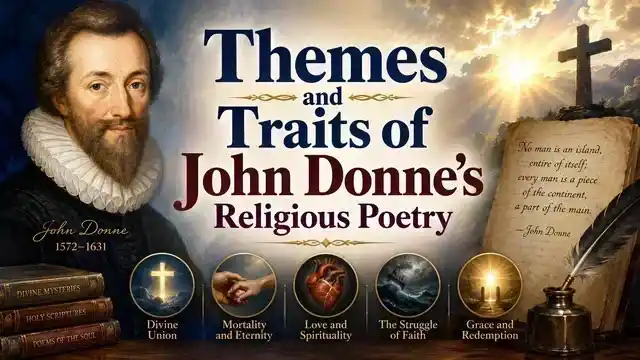
John Donne (1572–1631) occupies a unique and distinguished place in English literature as one of the greatest Metaphysical poets of the seventeenth century.
 rajneeshgupta
John Donne (1572–1631) occupies a unique and distinguished place in English literature as one of the greatest Metaphysical poets of the seventeenth century.
John Donne (1572–1631) occupies a unique and distinguished place in the history of English literature as the greatest poet of the Metaphysical School.
The poem entitled “Death Be Not Proud” is one of his popular “Holy Sonnets.” It deals with the theme of death. After Anne More’s death in 1617, John Donne was haunted with the fear of death.

William Shakespeare’s Sonnet 116, commonly known by its opening line, “Let Me Not to the Marriage of True Minds,” is one of the most celebrated and universally admired love poems in English literature.
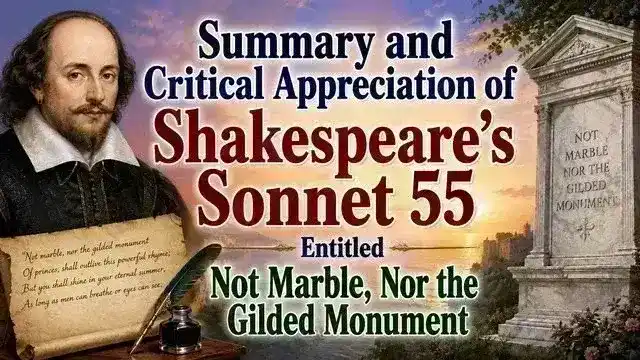
Shakespeare’s Sonnet 55, entitled “Not Marble, Nor the Gilded Monuments,” is one of the most celebrated poems in William Shakespeare’s collection of 154 sonnets, first published in 1609.

Lord of the Flies is one of the most influential and widely studied novels of the twentieth century.

Lord of the Flies is one of the most celebrated and influential novels of the twentieth century.

William Golding’s Lord of the Flies is one of the most significant novels of the twentieth century, celebrated not only as an adventure story but also as a profound psychological exploration of human nature.
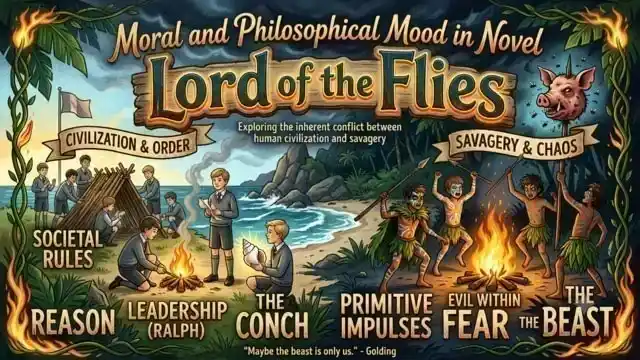
William Golding’s Lord of the Flies is one of the most profound novels of the twentieth century, celebrated for its deep moral and philosophical vision.
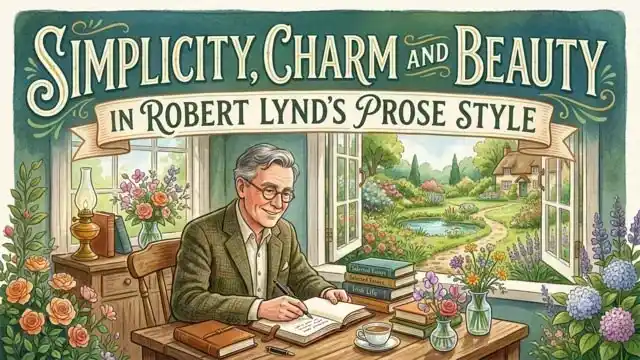
Robert Lynd (1879–1949) occupies a distinguished place among the greatest essayists of modern English literature.