The Family Reunion by T.S. Eliot: Use of Symbolism
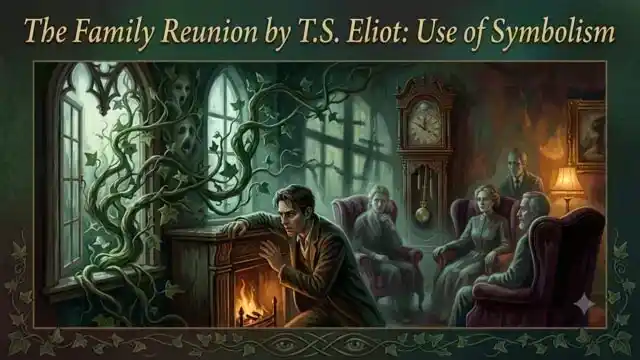
T.S. Eliot’s The Family Reunion (1939) is one of the most significant verse dramas of the twentieth century, renowned for its profound use of symbolism.
 rajneeshgupta
T.S. Eliot’s The Family Reunion (1939) is one of the most significant verse dramas of the twentieth century, renowned for its profound use of symbolism.
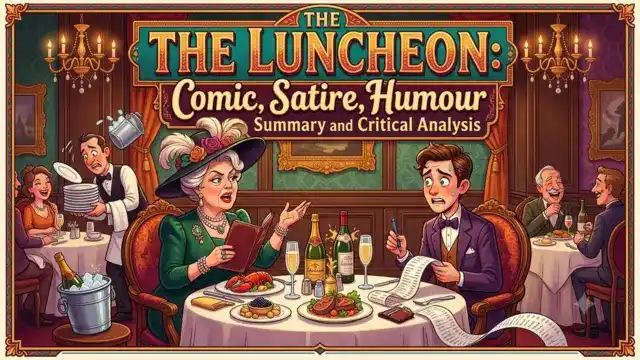
The Luncheon is one of the most delightful and widely admired short stories by W. Somerset Maugham, a master of realistic fiction renowned for his wit, irony, and keen understanding of human nature.
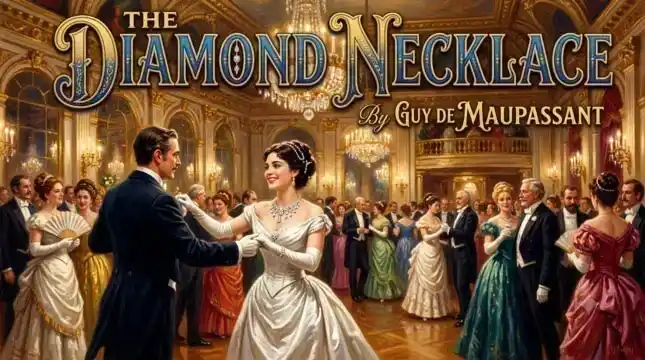
“The Diamond Necklace” is one of the finest and most celebrated short stories written by the renowned French realist writer Guy de Maupassant (1850–1893).
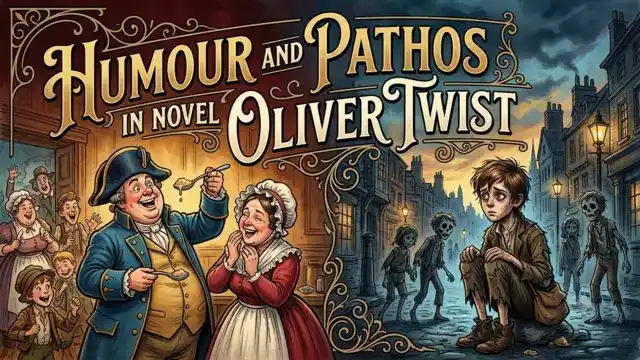
Oliver Twist (1837–1839) is one of Charles Dickens’s greatest social novels, remarkable for its masterly fusion of humour and pathos.
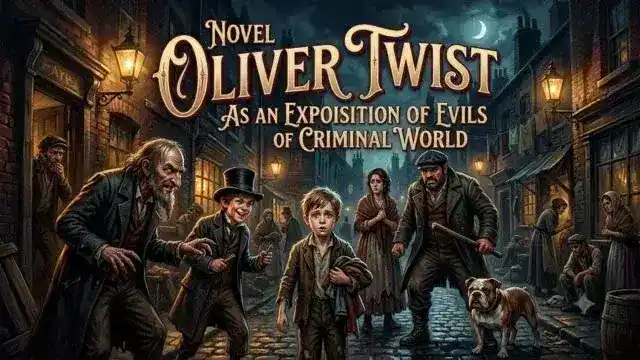
Charles Dickens’s Oliver Twist (1837–1839) is one of the greatest social novels in English literature and a powerful exposure of the dark realities of the Victorian criminal underworld.
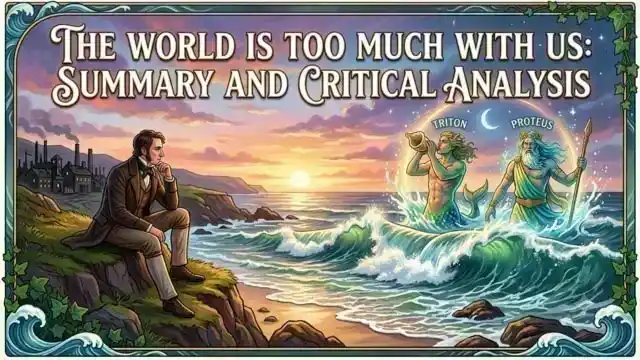
The World Is Too Much With Us is one of the finest sonnets by William Wordsworth (1770–1850), the greatest poet of the Romantic Age in English literature.
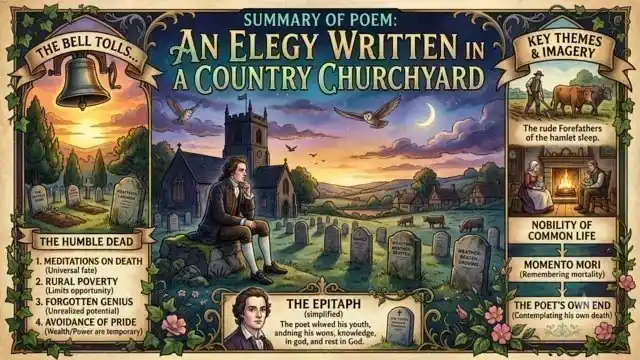
Thomas Gray’sAn Elegy Written in a Country Churchyardis one of the greatest and most celebrated elegiac poems in English literature.
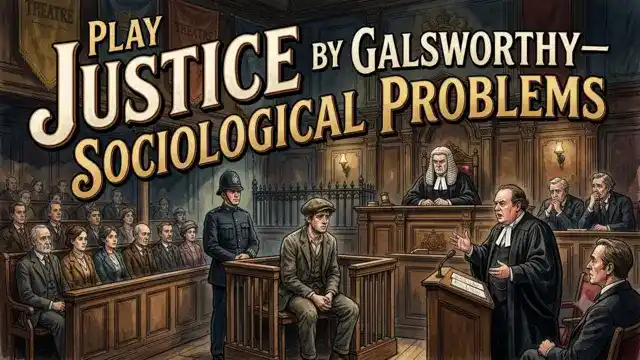
Justice (1910) by John Galsworthy is one of the most significant social problem plays in modern English literature.
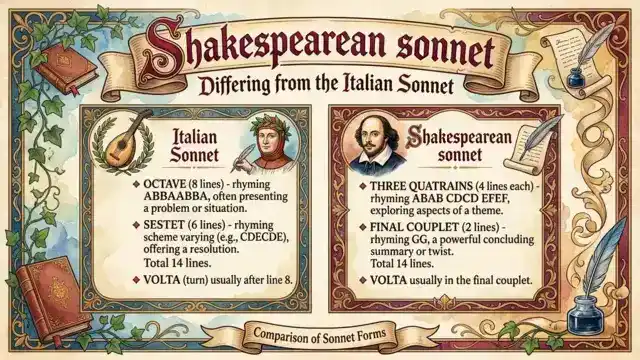
The Shakespearean Sonnet, also known as the English Sonnet, is one of the most celebrated poetic forms in English literature.
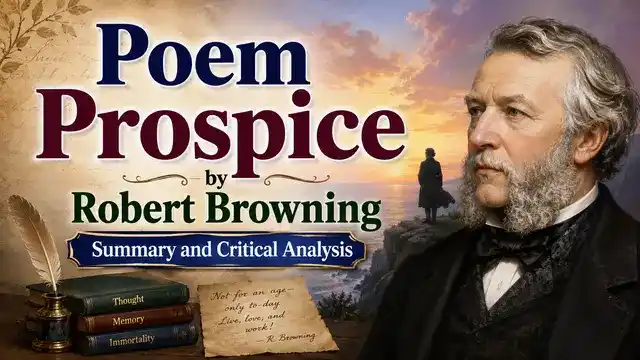
Prospice is one of the finest and most inspiring poems by the eminent Victorian poet Robert Browning (1812–1889).